
01
FCH 630: Plant Biochemistry
This course covers photosynthesis, carbon and nitrogen metabolism, secondary metabolites, and phytohormones.
PRRL studies how plants survive environmental stress by connecting molecular plant physiology, metabolism, gas exchange, stress signaling, omics, and isoprene biology.
Academic Background
From foundational training in biochemistry and molecular biology to advanced research in plant and environmental sciences, Dr. Mostofa’s academic journey spans Bangladesh, Japan, and the United States. Each chapter has shaped a multidisciplinary career devoted to understanding plant metabolism, stress adaptation, and resilience in a changing climate.
Teaching
Dr. Mostofa brings plant biochemistry to life by connecting fundamental concepts with real-world questions in plant metabolism, molecular physiology, and environmental stress adaptation. Through Plant Biochemistry and Biochemistry Laboratory, students develop a strong scientific foundation and practical skills for exploring how plants function, respond, and thrive.
This course covers photosynthesis, carbon and nitrogen metabolism, secondary metabolites, and phytohormones.
Topics include the functions of macronutrients and micronutrients in human health and diseases.
Measurements of biochemical markers related plant growth and development under stress.
Career advice, counseling, omics, CRISPR, stress biology.
Research
Plants are continuously exposed to heat, drought, salinity, ozone, disease pressure, and oxidative stress. PRRL studies the mechanisms that help plants maintain photosynthesis, growth, and resilience under those conditions.
Areas of Research
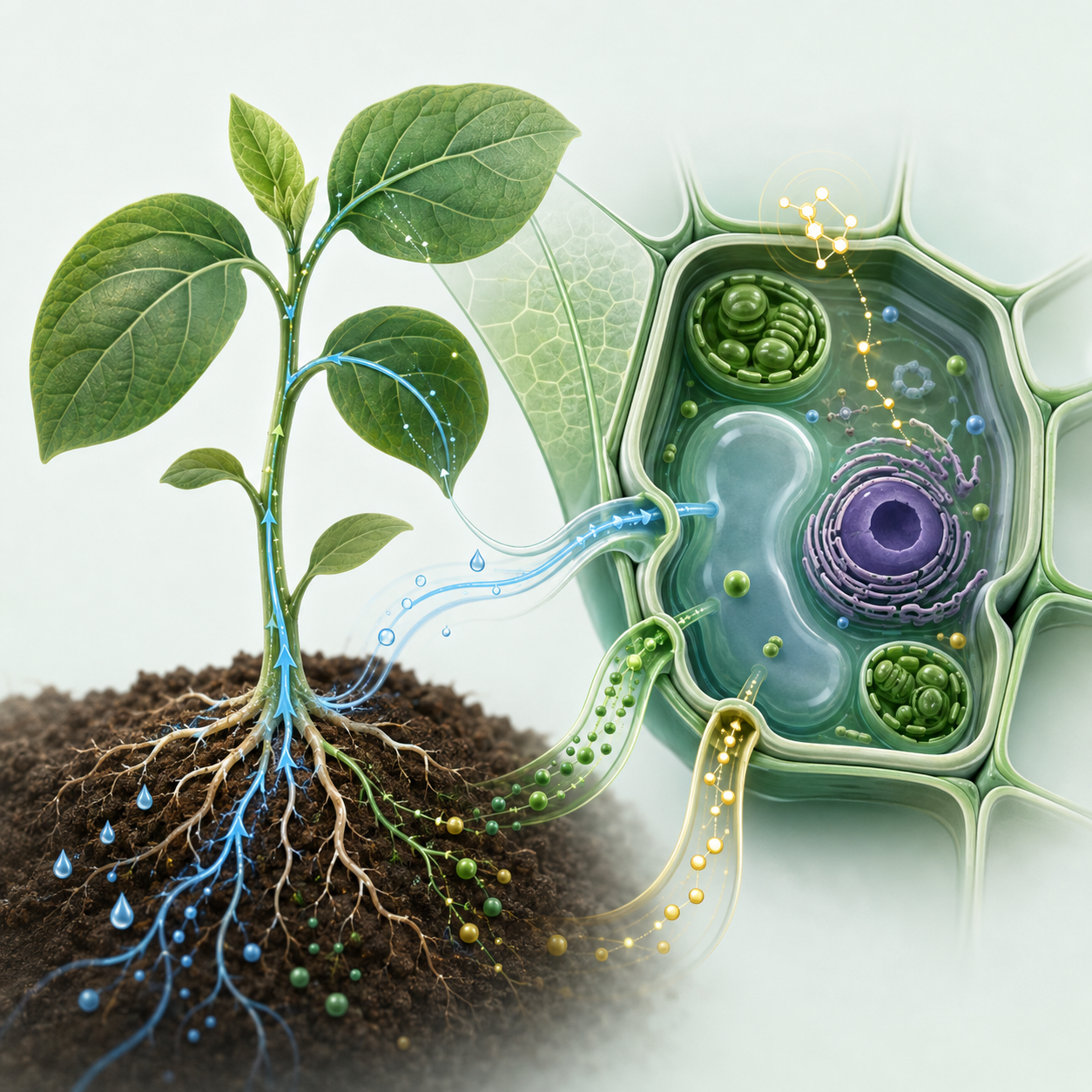
 Molecular plant physiology
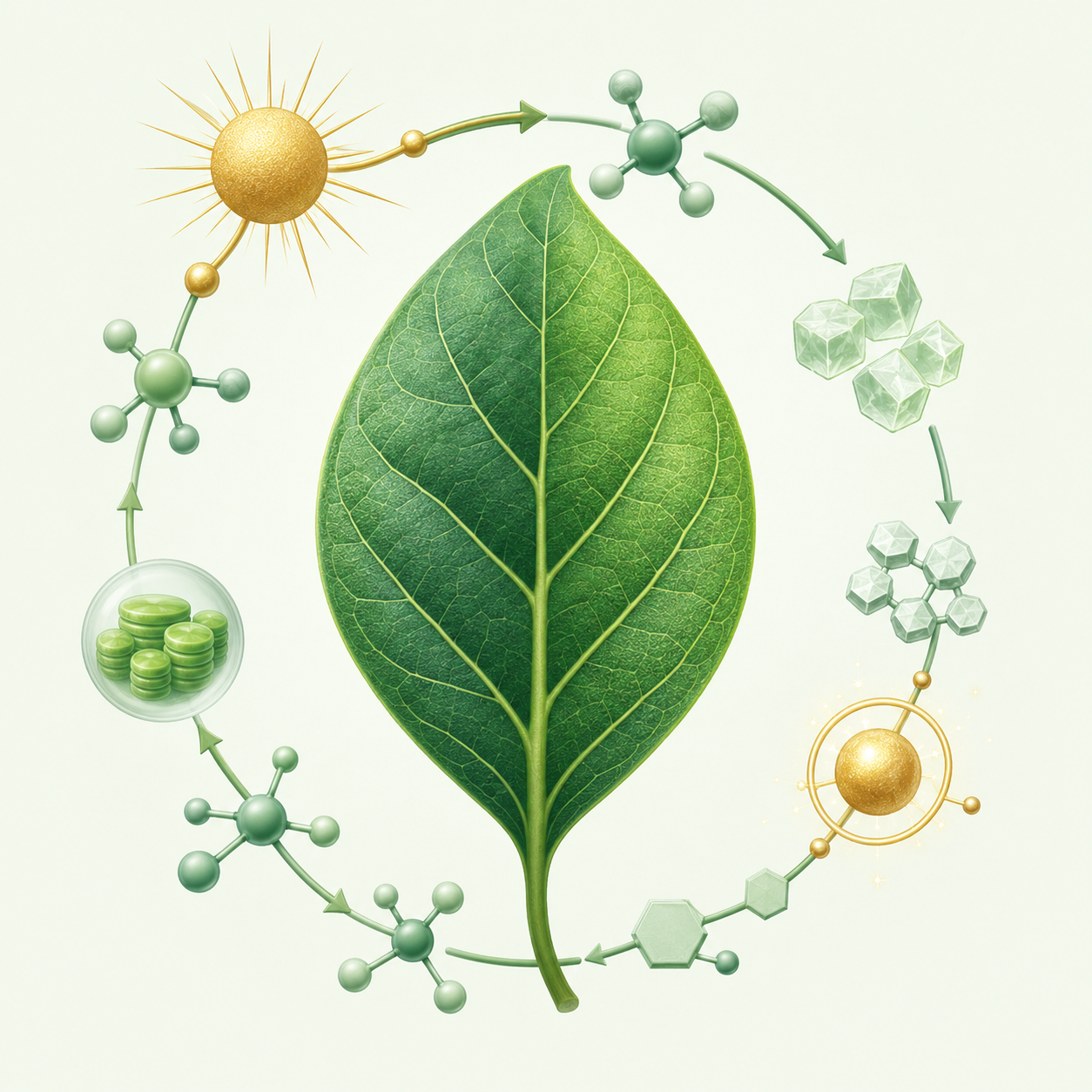
 Plant biochemistry & metabolism
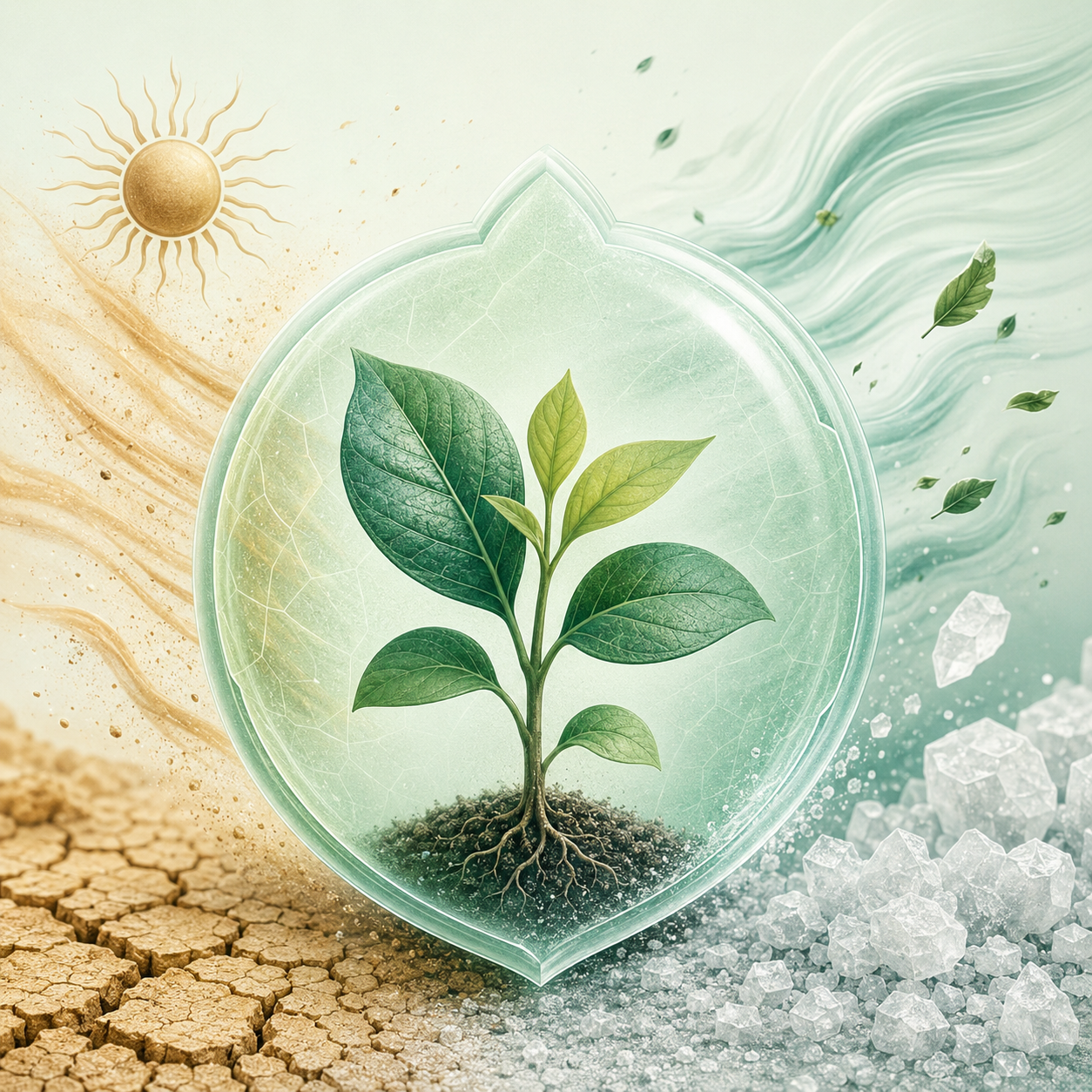 Stress adaptation
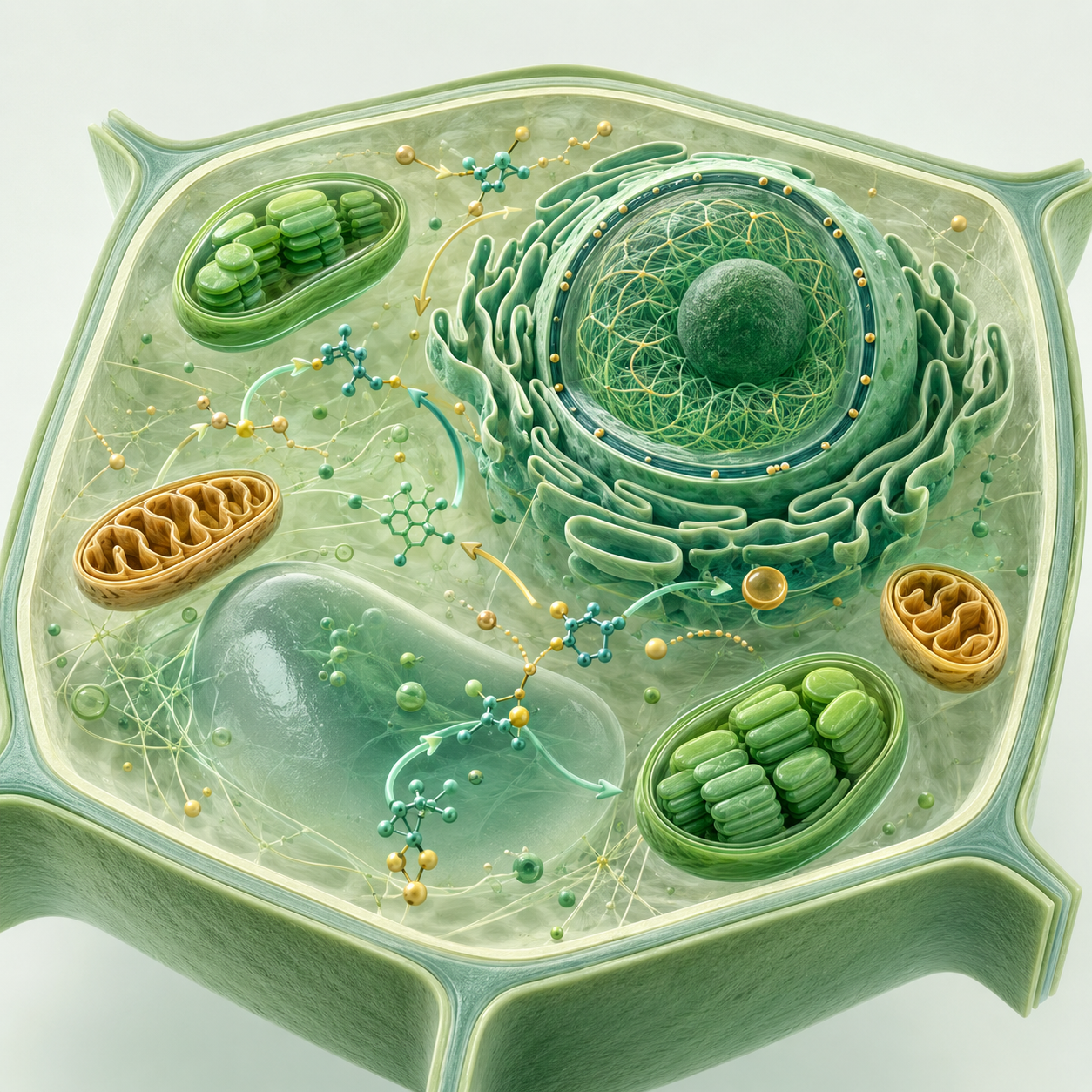 Cellular biochemistry
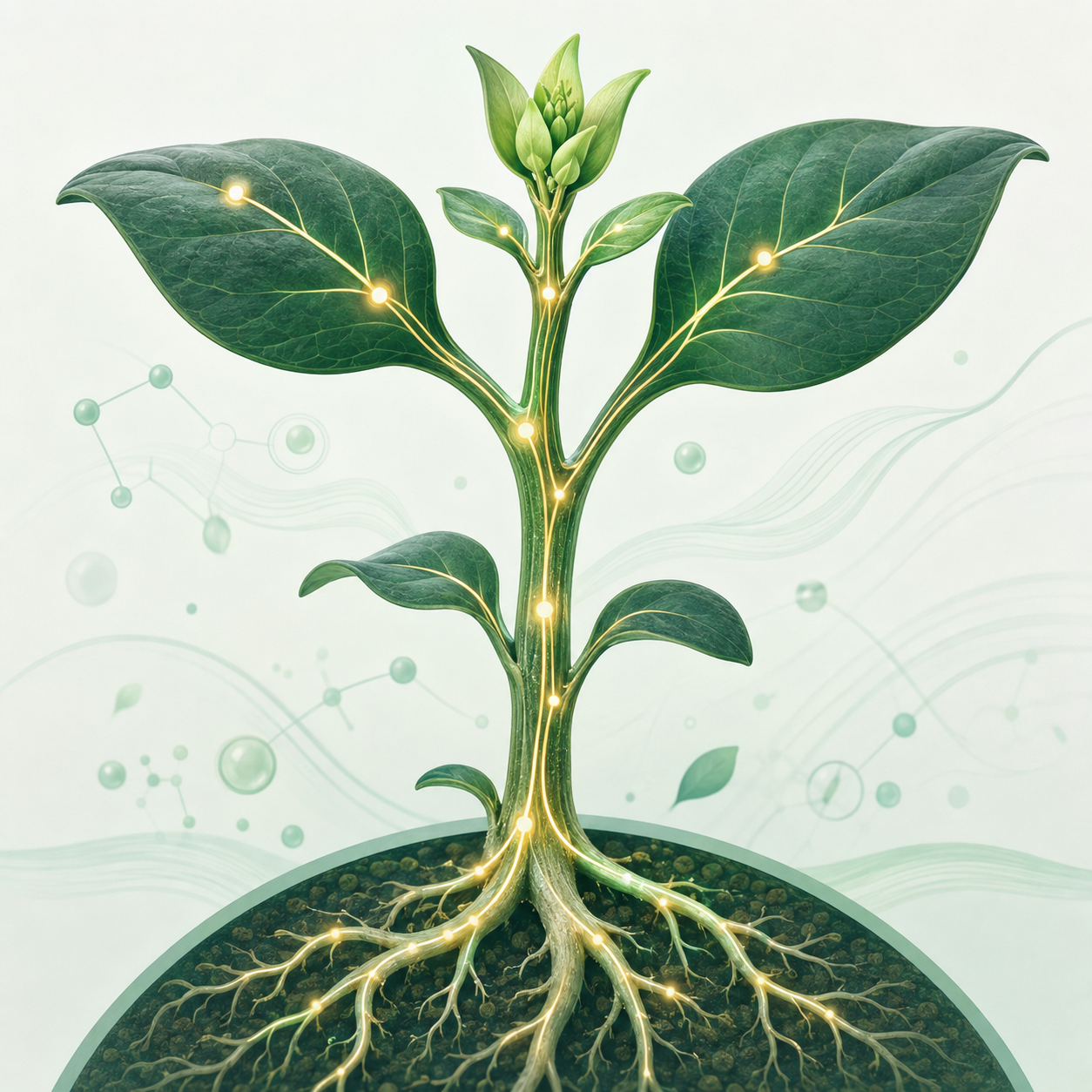 Phytohormone signaling
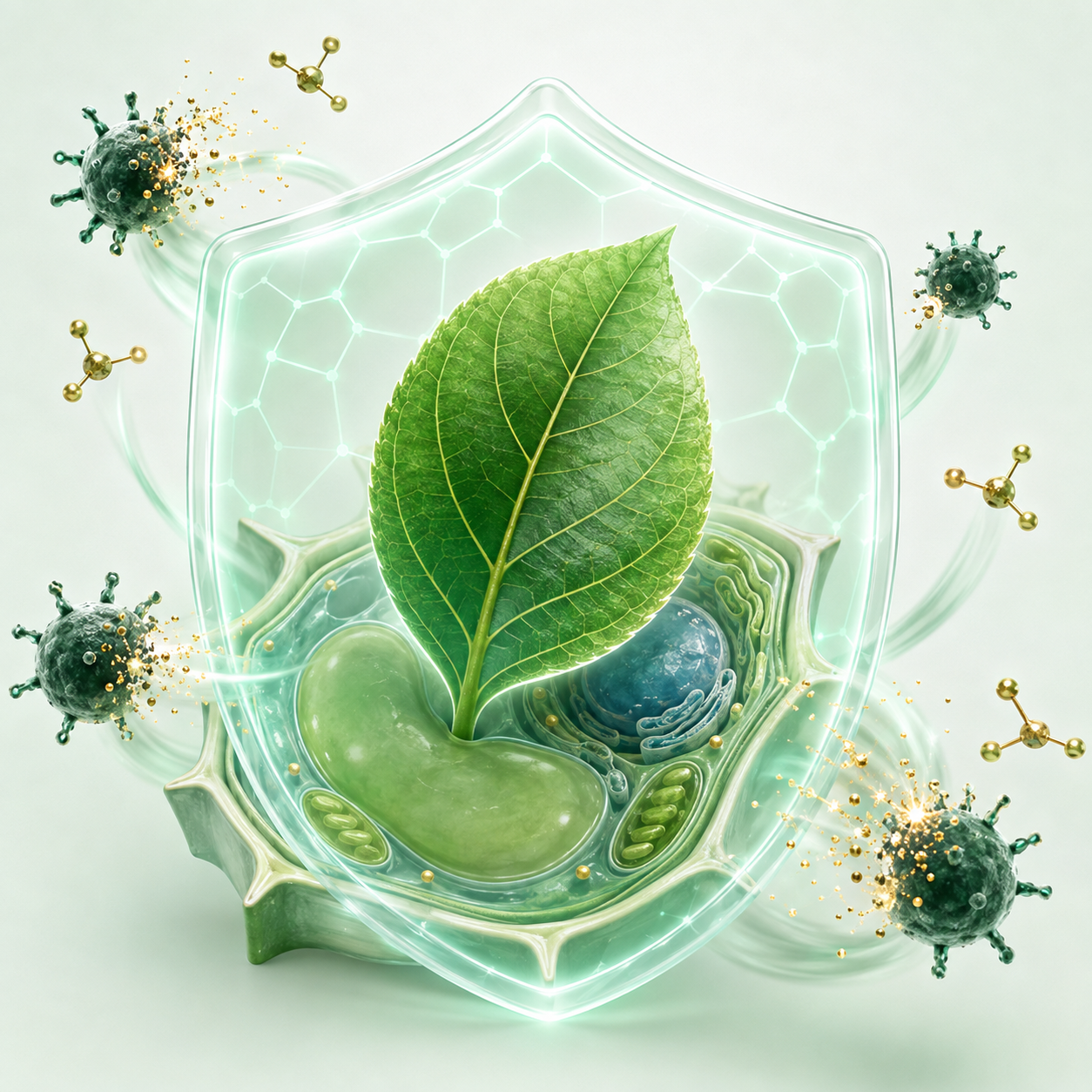 Oxidative stress tolerance
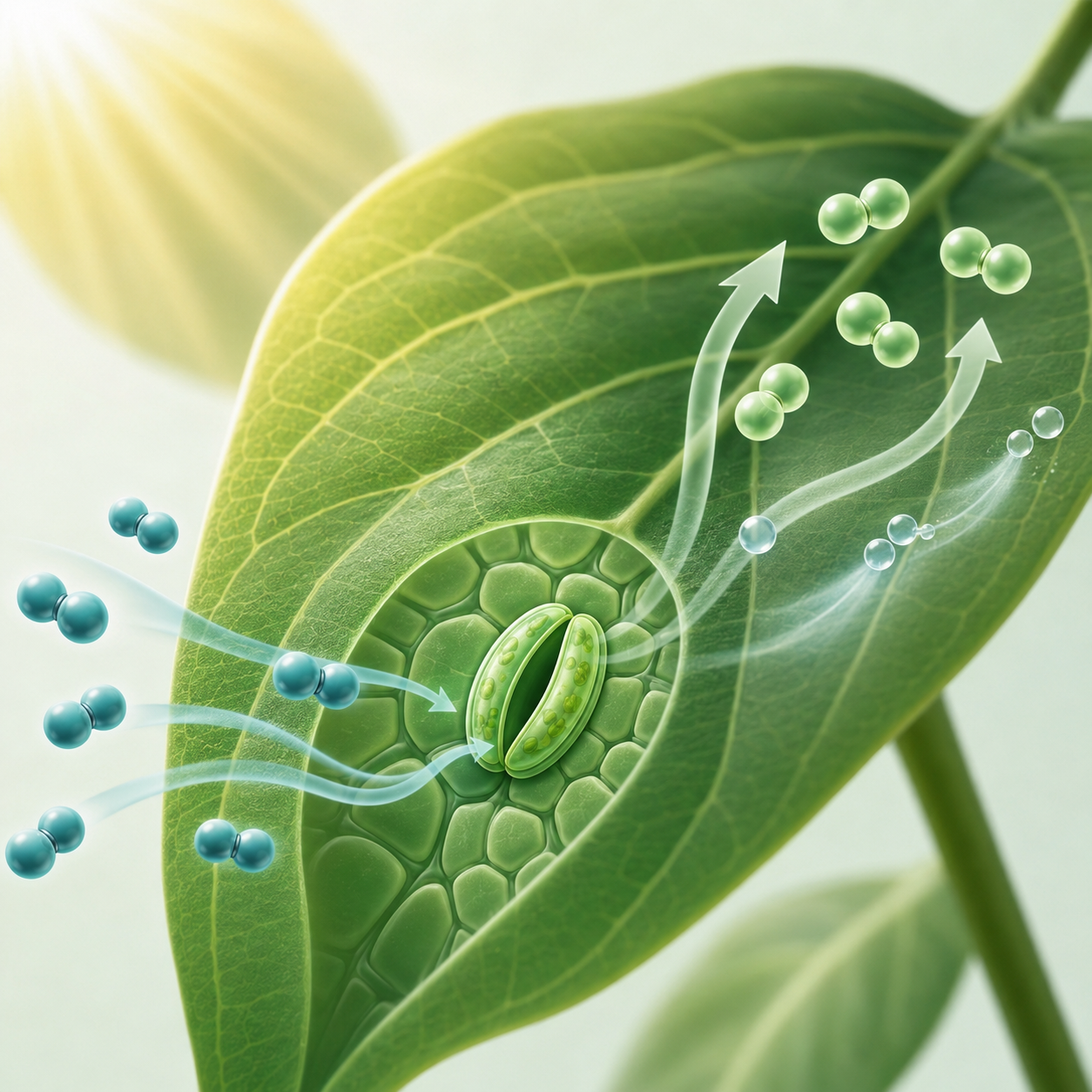 Photosynthesis & gas exchange
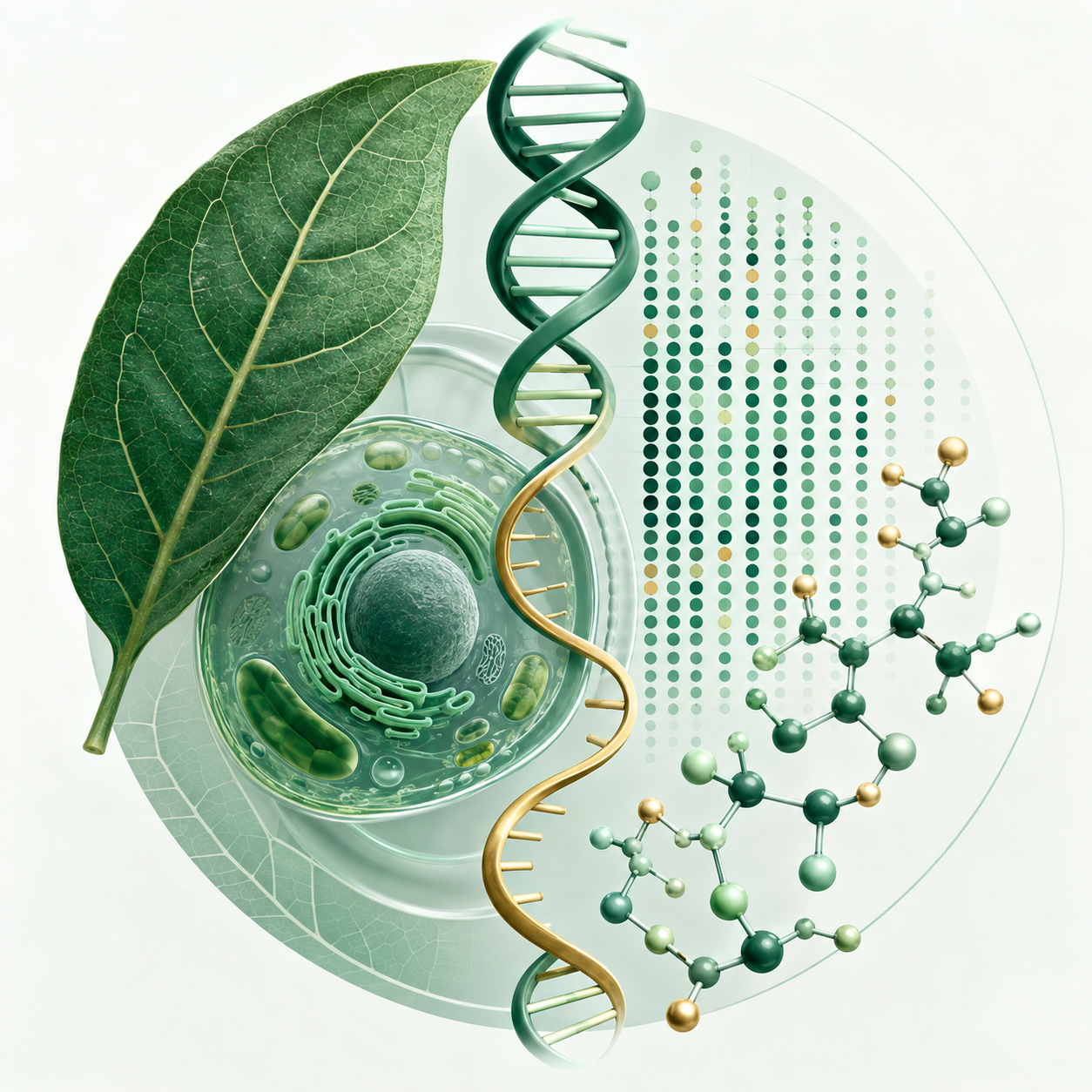 Transcriptomics & metabolomics
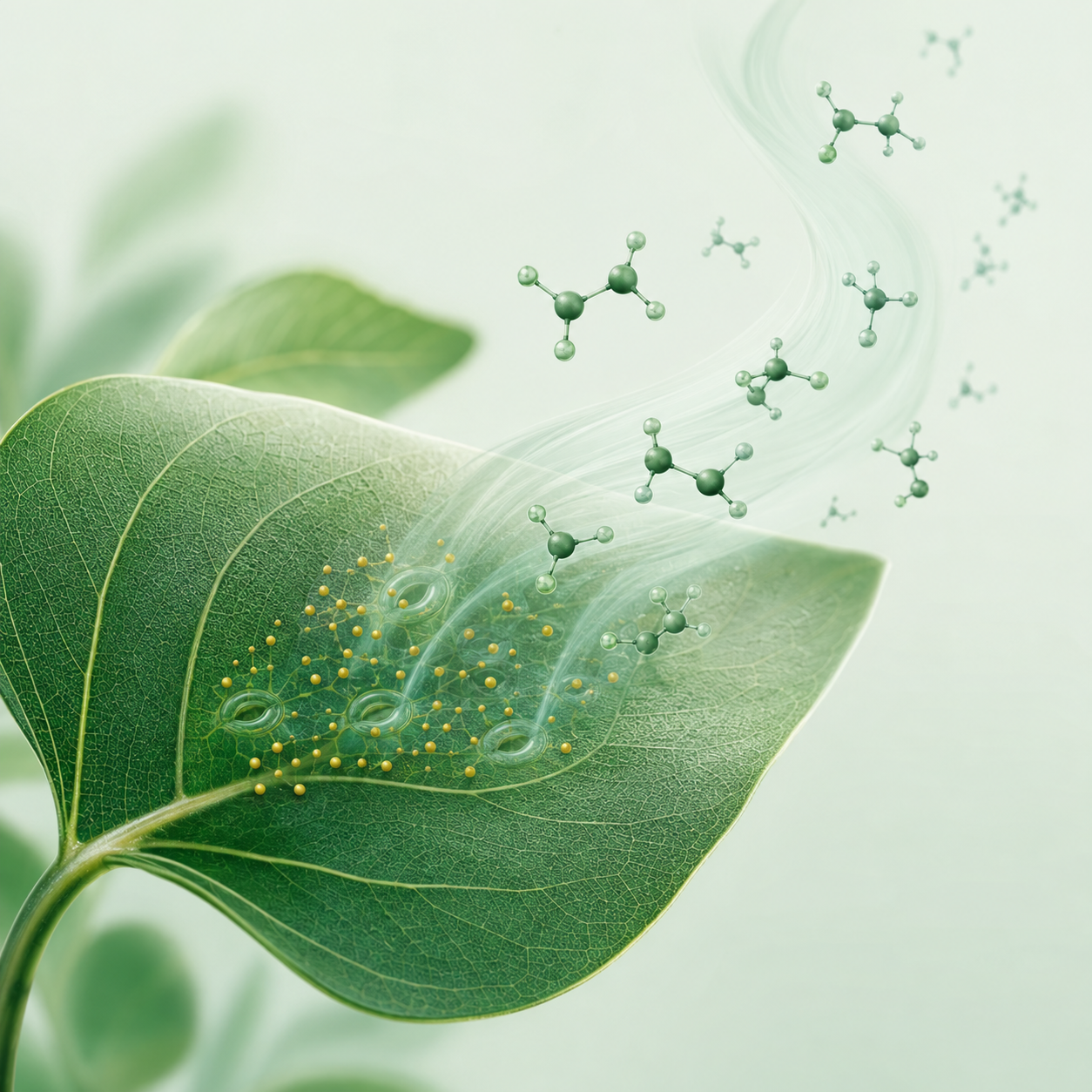 Isoprene emission biology
The lab combines genetic engineering, CRISPR-based mutant analysis, gas exchange measurements, photosynthetic performance assessment, omics, hormone biology, and volatile-emission measurements.
The research program emphasizes stress tolerance mechanisms that are increasingly important under climate change, including isoprene emission, phytohormone signaling, antioxidant defense, redox balance, light respiration, and metabolic adaptation.
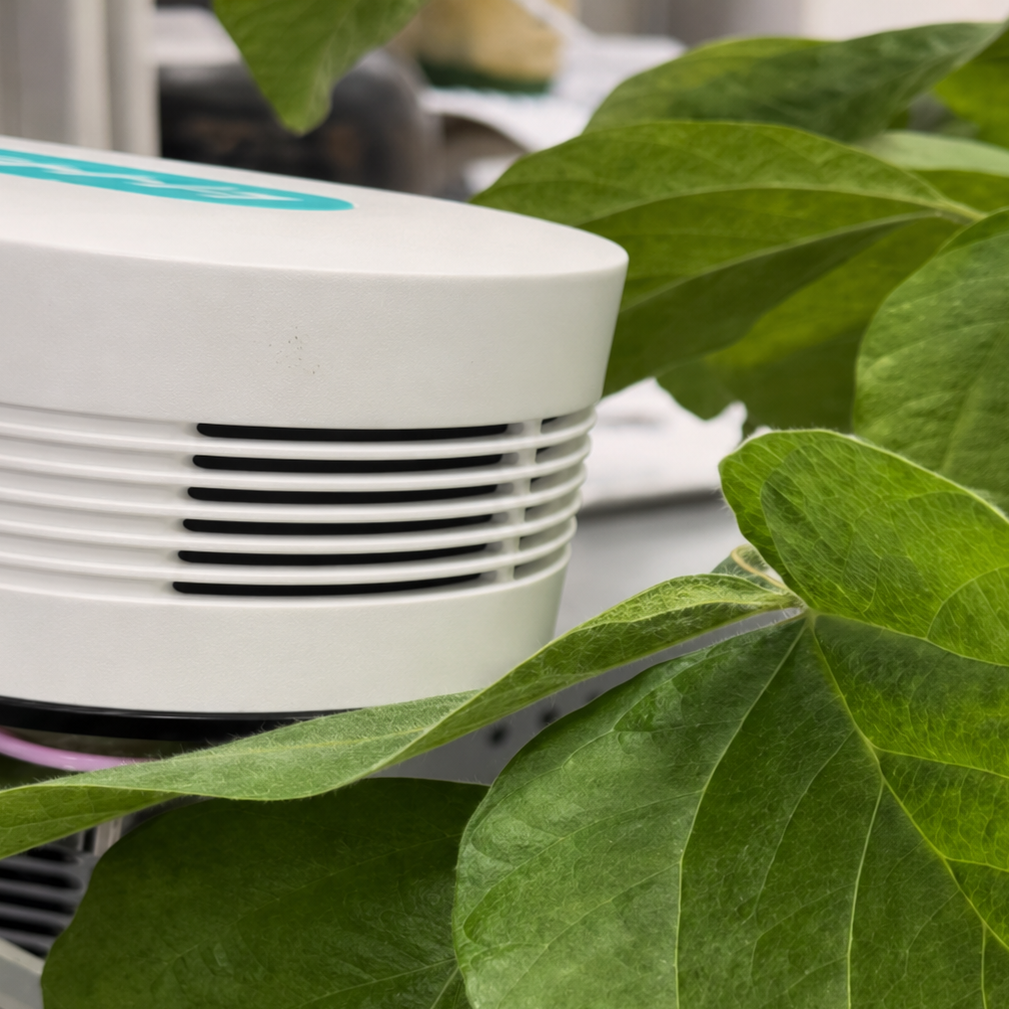
Soybean has intact isoprene synthase genes and can emit isoprene after wounding. The lab investigates whether isoprene production improves resilience during stress.
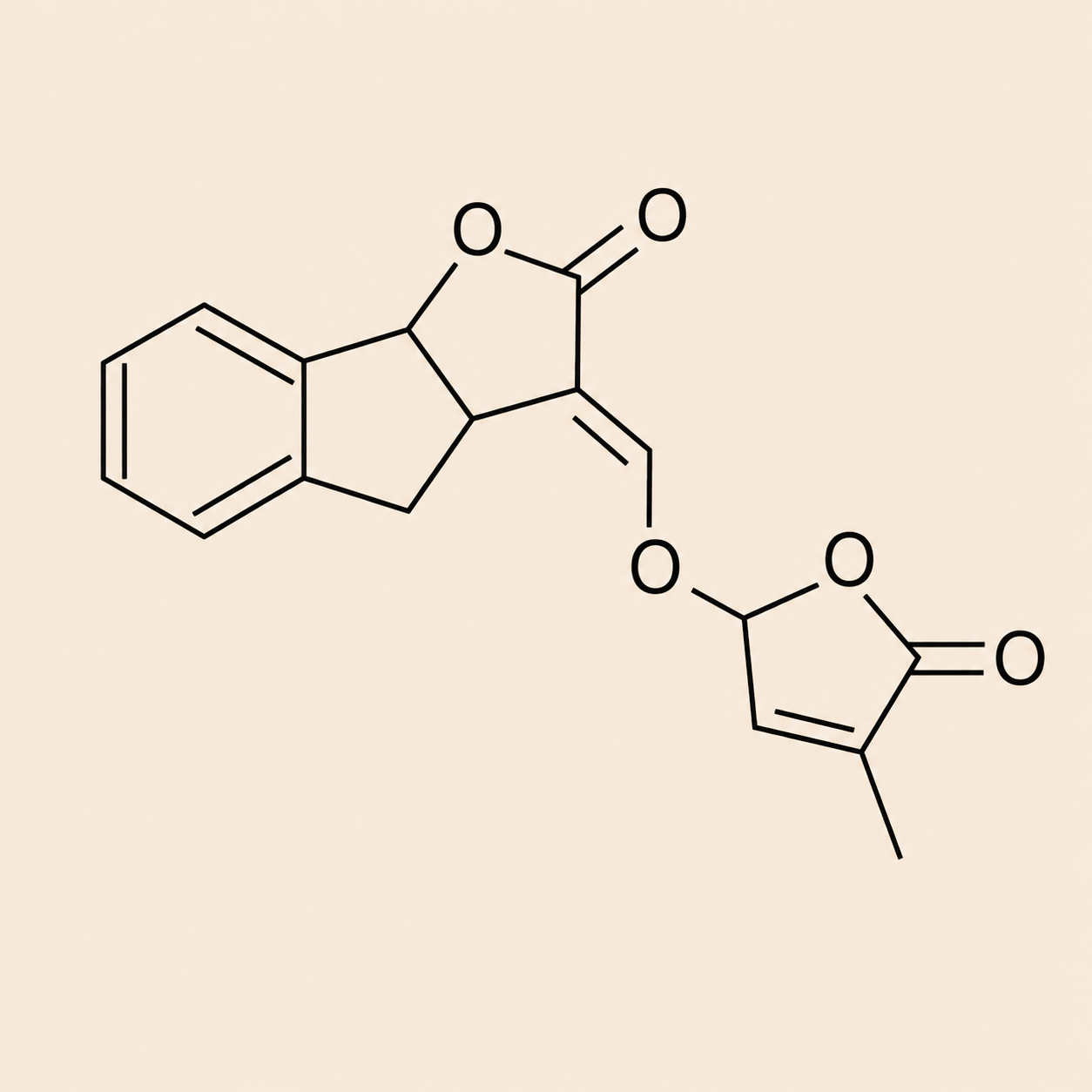
The lab studies how strigolactone and karrikin signaling regulate stress responses, architecture, physiology, and plant-microbe interactions.
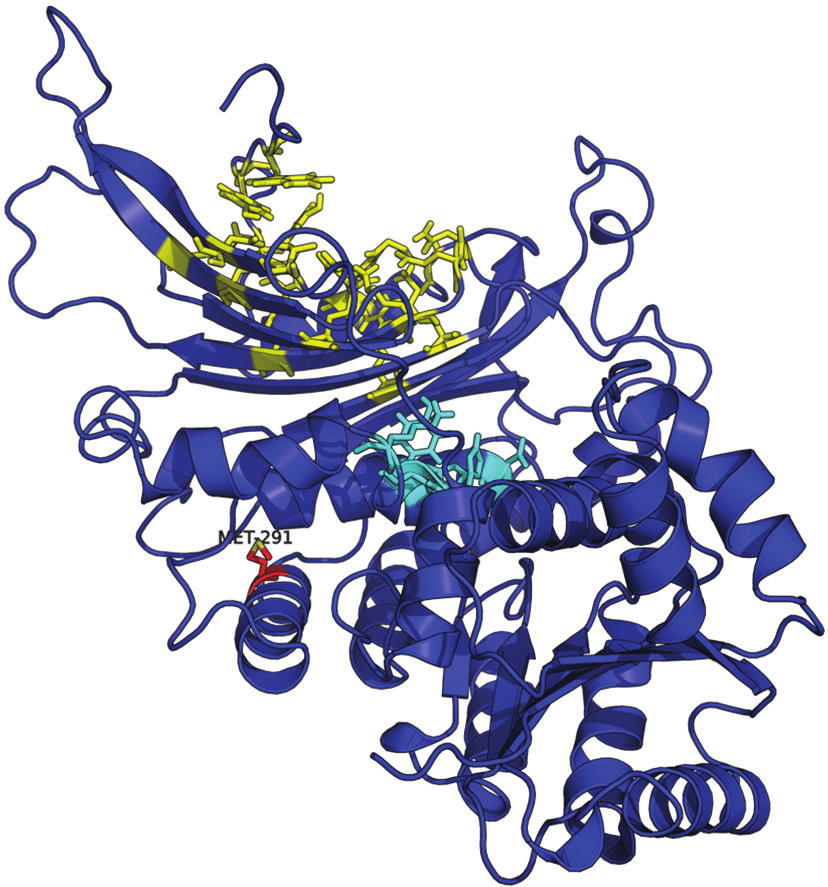
Research explores the glucose-6-phosphate shunt, oxidative pentose phosphate pathway regulation, light respiration, and redox metabolism under stress.
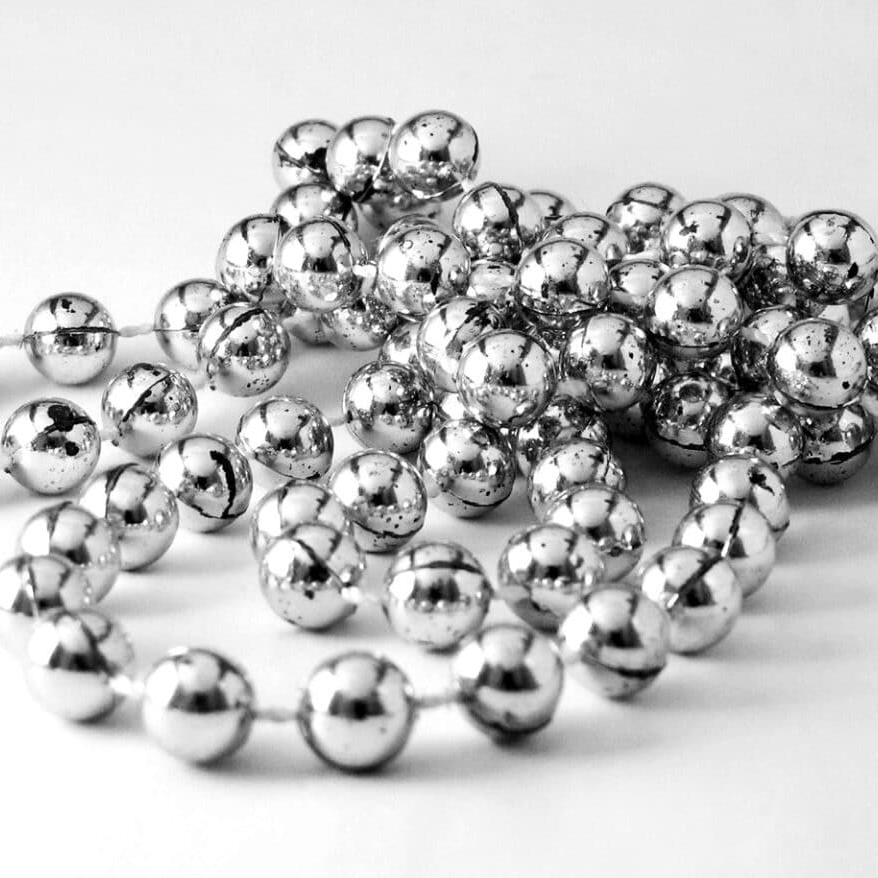
Research investigates how signaling molecules and nanoparticles influence soybean responses to environmental stress. We evaluate whether nanoparticles can improve stress tolerance by regulating antioxidant defenses, redox balance, photosynthesis, and hormone-mediated signaling while monitoring potential toxicity.
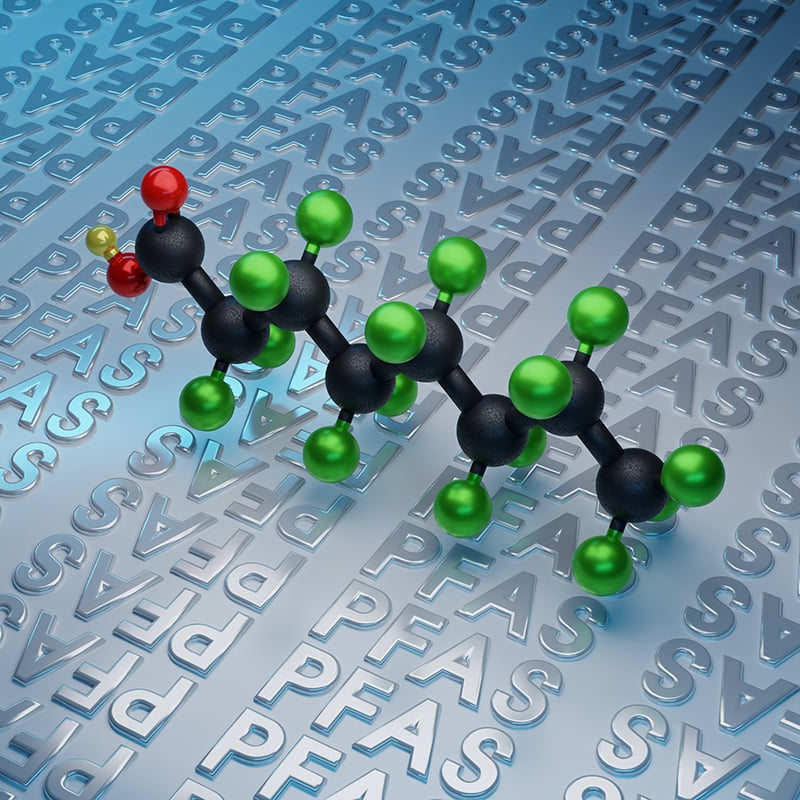
Research evaluates how PFAS exposure affects lentil physiology and alters metabolite profiles to reveal the metabolic responses and tolerance mechanisms associated with PFAS toxicity.
Research Team
Meet the researchers powering discovery at PRRL. From molecular biology and plant physiology to stress signaling and metabolomics, our graduate and undergraduate scientists work together to uncover how plants adapt, survive, and thrive in a changing environment.
Recent Publications
Selected recent peer-reviewed publications featuring Dr. Mohammad Golam Mostofa and collaborators. For a complete list, please visit Google Scholar.
View Google Scholar ↗Fu, J., Li, L., Xing, M., et al., including Mostofa, M. G. Stress Biology, 6, 53 (2026). Published July 27, 2026. View publication.
Bellucci, M., Mostofa, M. G., Benucci, G. M. N., et al. Plant, Cell & Environment (2026). First published July 5, 2026. View publication.
Sharkey, T. D., Bellucci, M., Loreto, F., Mostofa, M. G., et al. Journal of Plant Physiology, 318, 154712 (2026). View publication.
Das, A. K., Mostofa, M. G., Methela, N. J., et al. Plant Physiology and Biochemistry, 231, 111036 (2026). View publication.
Ghosh, T. K., Nazran, A., Khan, I., et al., including Mostofa, M. G. International Journal of Molecular Sciences, 27(1), 478 (2026). View publication.
Research Summary
The lab studies plant responses and tolerance mechanisms under extreme environmental conditions. Research spans physiological and molecular mechanisms, genetic engineering, mutant analysis, omics, gas exchange, photosynthetic attributes, and stress tolerance mechanisms.
Plant secondary metabolism, environmental stress, phytohormones, oxidative stress, signaling molecules, climate change, photosynthesis, isoprene, transcriptomics, metabolomics, gene function and regulation, antioxidant defense, gas exchange, light respiration, redox balance, stress adaptation, molecular plant physiology.